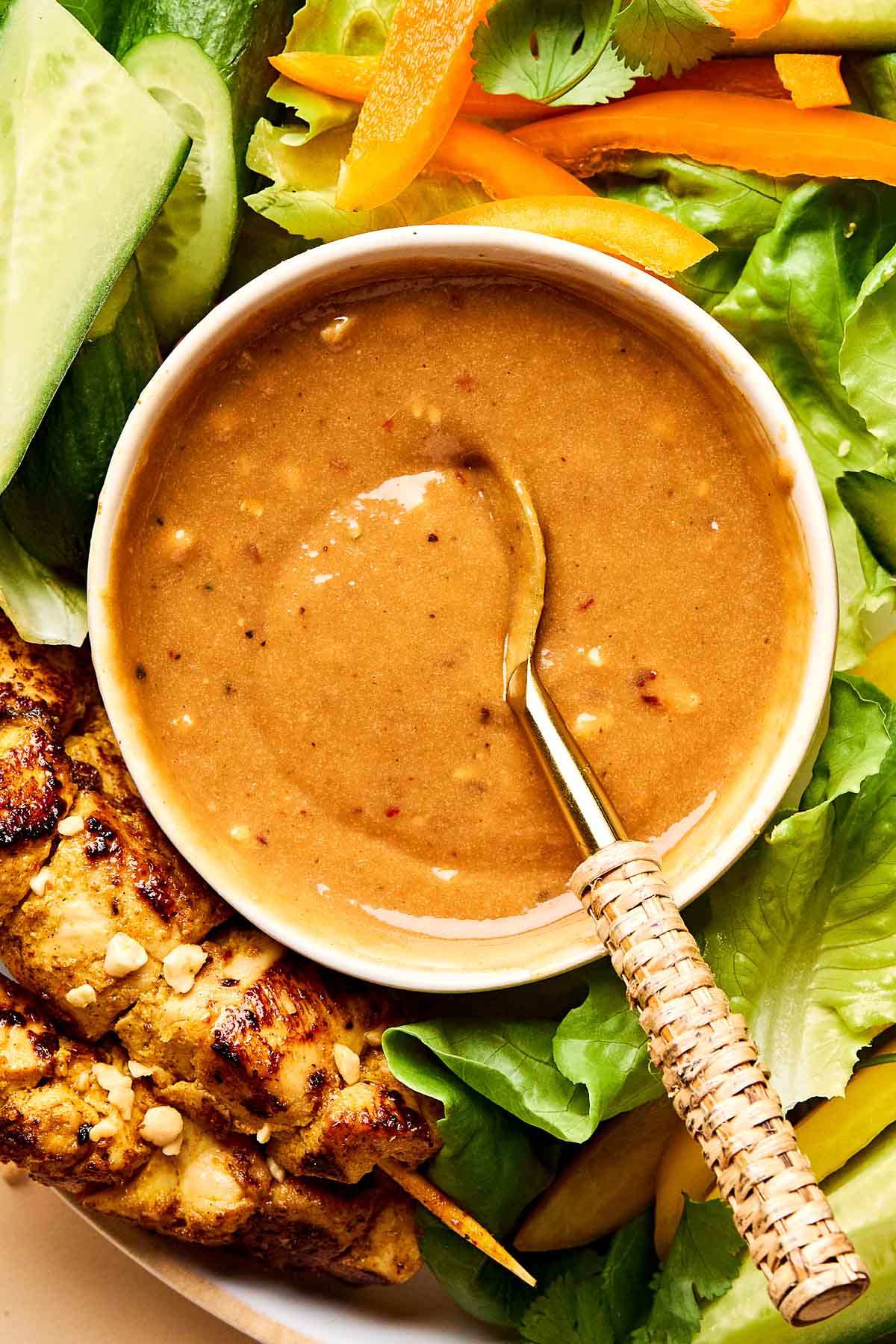
Tired of bland, store-bought sauces that promise authentic flavor but deliver disappointment? Imagine whipping up a creamy, savory, perfectly balanced peanut sauce in just 10 minutes, using ingredients you likely already have in your pantry. This isn't a fantasy; it's the reality of how to make peanut sauce at home. Forget cooking, complicated steps, or a long ingredient list. Our no-cook peanut sauce recipe is a game-changer, proving that homemade truly is better, faster, and infinitely more delicious than anything you'll find in a bottle.
Whether you're dipping fresh spring rolls, drizzling over a vibrant salad, tossing with noodles, or marinating your favorite protein, this versatile sauce will elevate any dish. It’s naturally vegetarian, dairy-free, and easily adaptable to be vegan and gluten-free, making it a staple for every kitchen. Let's dive into the magic of this incredibly easy recipe that will have your taste buds singing!
Why Homemade No-Cook Peanut Sauce Reigns Supreme
You might be wondering, with so many bottled options available, why bother making peanut sauce from scratch? The answer lies in unparalleled flavor, freshness, and control. Store-bought sauces often contain preservatives, excessive sugar, or artificial ingredients that mute the vibrant notes of ginger, lime, and chili. When you make your own peanut sauce, you dictate every aspect:
- Superior Flavor & Freshness: There's simply no comparison to the rich, nutty aroma and bright, zingy taste of freshly made sauce. Each ingredient shines through, creating a depth of flavor that a pre-packaged version can't replicate.
- Ingredient Control: Are you watching your sodium intake? Prefer a specific type of sweetener? Concerned about gluten or soy? Making it yourself allows you to tailor every component. Swap tamari for soy sauce for a gluten-free option, or coconut aminos for soy-free. Adjust the spice level to your exact preference.
- Quick & Effortless: Our recipe truly lives up to its "10-minute" promise. There's no cooking involved; just a simple whisking or blending of ingredients. It’s perfect for busy weeknights or when you need a flavorful boost in a pinch.
- Cost-Effective: You'll be surprised how much money you save by skipping the specialty aisle and using common pantry staples.
- Customizable Texture: Whether you prefer a thick, creamy dip for satay or a thin, drizzly dressing for salads, you can easily adjust the consistency with a little more water or nut butter.
This "Mom magic" approach to cooking, as some fondly call it, focuses on creating maximum flavor with minimal effort. It’s a testament to the idea that simple, fresh ingredients are often the secret to extraordinary dishes.
The Essential Ingredients for Your 10-Minute Masterpiece
One of the beauties of this recipe is its reliance on readily available ingredients. You'll likely have most, if not all, of these on hand right now. Our core recipe focuses on a handful of key players, but we'll also explore delightful additions for an extra layer of complexity.
Core 5-Ingredient Foundation:
This minimal list is all you *truly* need for a fantastic sauce. For an even more versatile dip and dressing, check out our 5 Ingredient Peanut Sauce: Versatile Dip & Dressing Recipe.
- Creamy Peanut Butter: The star of the show! Opt for a good quality, creamy variety. Natural peanut butter (just peanuts and salt) works wonderfully, but conventional creamy varieties are also fine. You can also experiment with almond butter or sunflower butter for a different twist.
- Tamari (or Soy Sauce/Coconut Aminos): Provides the essential savory, umami depth. Tamari is naturally gluten-free; if gluten isn't a concern, regular soy sauce works perfectly. For a soy-free alternative, coconut aminos are an excellent choice.
- Maple Syrup (or other sweetener): Balances the savory notes with a touch of sweetness. Maple syrup lends a lovely subtle flavor, but honey, agave, or even a pinch of brown sugar can be used. Adjust to your sweetness preference.
- Lime Juice: Crucial for that bright, zingy acidity that cuts through the richness of the peanut butter and awakens all the flavors. Freshly squeezed is always best!
- Chili Garlic Sauce (or alternative heat): Adds a wonderful kick! Sriracha, a pinch of red pepper flakes (start with 1/4 tsp), or finely minced fresh red Thai chili can all be used. Adjust to your desired spice level.
Optional Flavor Boosters for Next-Level Sauce:
To really make your sauce sing and replicate the complex flavors of your favorite Asian restaurants, consider adding these:
- Fresh Grated Ginger: Adds a warm, zesty, aromatic note. Don't skip this if you have it!
- Fresh Minced Garlic: Pungent and adds another layer of savory depth.
- Toasted Sesame Oil: A little goes a long way to impart a rich, nutty, toasted aroma.
- Rice Vinegar: Another source of acidity, often milder and slightly sweeter than lime juice, contributing to a well-rounded flavor profile.
- Water: Essential for thinning the sauce to your desired consistency.
How to Make Peanut Sauce: Your 10-Minute Step-by-Step Guide
Get ready to impress yourself! This method couldn't be simpler, whether you choose to whisk by hand or use a blender for an even smoother consistency.
Method 1: Whisking by Hand (Our Preferred No-Cook Method)
- Combine the Base: In a medium mixing bowl, add your peanut butter, tamari (or soy sauce/coconut aminos), maple syrup, and lime juice. Start with the lower end of the measurement range for tamari and maple syrup so you can adjust later.
- Add Heat & Aromatics: Stir in your chosen chili sauce or red pepper flakes. If using, now is the time to add fresh grated ginger and minced garlic.
- Whisk to Combine: Vigorously whisk all ingredients together until they start to emulsify and become a thick paste.
- Thin Gradually: Begin adding water, about 1-2 tablespoons at a time, whisking well after each addition. Continue until you achieve a thick but pourable consistency that suits your preference. For a thicker dip, use less water; for a drizzly dressing, use more.
- Taste & Adjust: This is the most important step! Taste the sauce and adjust the seasonings as needed.
- Need more sweetness? Add more maple syrup.
- Craving more heat? Stir in more chili sauce or red pepper.
- Want more tang? Squeeze in extra lime juice (or a splash of rice vinegar).
- Too bland? A little more tamari will add saltiness and umami.
- If it becomes too thin, add another tablespoon of peanut butter. If too thick, simply add more water.
Method 2: Blender Method (For Ultra-Creamy Smoothness)
If you prefer an absolutely silky smooth sauce and have a blender, simply combine all ingredients (starting with less water and adjusting as needed) and blend until creamy and uniform. This method is particularly good if you're using chunkier peanut butter or fresh garlic and ginger, as it ensures everything is perfectly incorporated.
Practical Tips for Perfect Peanut Sauce Every Time
- Always Taste and Adjust: Palates differ, and so do ingredient brands. What tastes perfect to one person might need a little more zing for another. Don't skip this crucial step!
- Use Fresh Lime Juice: Bottled lime juice pales in comparison to the bright, fresh flavor of real limes. It truly makes a difference.
- Warm Up Peanut Butter (Optional): If your peanut butter is very stiff, a quick 10-15 seconds in the microwave can make it easier to mix, especially when whisking by hand.
- Consistency is Key: Remember, you're in control! Add water slowly to reach your desired thickness. For spring rolls, you want it thick enough to cling. For a salad dressing, thin it out more.
- Make Ahead: This sauce is fantastic for meal prep! Prepare a batch at the beginning of the week and store it in an airtight container in the refrigerator for up to 7 days. It might thicken slightly in the fridge, so just add a splash of water and whisk before serving if needed.
Unleash the Versatility: How to Enjoy Your Homemade Peanut Sauce
Once you've mastered how to make peanut sauce, the possibilities are endless! This sauce isn't just for dipping; it's a culinary chameleon that enhances countless dishes.
- Dipping Sauce: The classic use! Perfect for fresh spring rolls, rice paper rolls, chicken satay skewers, or even raw vegetables like cucumber, carrots, and bell peppers.
- Salad Dressing: Thin it down with a bit more water for a creamy, savory dressing over green salads, coleslaw, or vibrant noodle salads. Try it in a "Spring Roll Bowl" for a deconstructed delight.
- Noodle Dishes: Toss with warm or cold noodles for a quick and satisfying meal. Add some sautéed veggies and protein for a complete Pad Thai-inspired dish.
- Marinade: Use it as a marinade for chicken, tofu, shrimp, or pork before grilling, baking, or stir-frying. The flavors will infuse beautifully.
- Sandwich/Wrap Spread: Spread a thin layer on sandwiches or wraps for an exciting flavor boost.
- Buddha Bowls: Drizzle generously over grain bowls packed with roasted vegetables, legumes, and your favorite protein.
Conclusion
There you have it: the secret to an incredibly flavorful, effortlessly easy, and universally loved peanut sauce, ready in a mere 10 minutes. This no-cook recipe transforms simple pantry staples into a dynamic condiment that will make you wonder why you ever bought it from a store. By taking control of the ingredients and flavors, you’re not just making a sauce; you’re crafting a healthier, tastier, and more satisfying culinary experience. So, ditch the jar, grab your whisk, and discover the pure joy of homemade peanut sauce – your taste buds will thank you!
