The Magic of Homemade Peanut Sauce: Versatile Dip & Dressing for Every Kitchen
Few condiments possess the incredible versatility and sheer deliciousness of peanut sauce. From a creamy dipping companion for spring rolls to a luscious dressing for noodles and salads, its savory-sweet, often tangy and spicy profile makes it an undeniable crowd-pleaser. While store shelves offer various options, there’s truly nothing quite like a homemade batch. And here's the best part: learning how to make peanut sauce from scratch is surprisingly simple, often requiring just a handful of ingredients and mere minutes of your time.
Imagine a rich, nutty sauce, perfectly balanced with the zing of lime, the warmth of ginger, and a subtle kick of chili – all tailored to your exact preferences. This article will guide you through crafting your own signature peanut sauce, proving that superior flavor and customizable control are just a whisk (or blend) away. Forget the bland, overly sweet, or additive-laden bottled versions; your kitchen is about to become the hub for an unbelievably fresh and vibrant homemade creation.
Why DIY Wins: The Unbeatable Benefits of Homemade Peanut Sauce
Once you experience the joy of making peanut sauce at home, you'll likely never look back at store-bought alternatives. The advantages are numerous, elevating your culinary game and offering peace of mind:
- Unrivaled Freshness and Flavor: Homemade simply tastes better. The vibrant notes of fresh lime, garlic, and ginger shine through in a way that pre-bottled sauces can’t quite capture.
- Complete Ingredient Control: Are you sensitive to gluten, soy, or excessive sugar? Making your own sauce allows you to choose specific ingredients. Opt for gluten-free tamari or coconut aminos instead of soy sauce, adjust the sweetness level, or select natural, additive-free peanut butter.
- Customizable to Your Palate: Love extra heat? Add more chili. Prefer it sweeter? A touch more maple syrup will do the trick. Crave more tang? A squeeze of extra lime is your friend. This level of customization is impossible with pre-made sauces.
- Quick and Easy: Despite its gourmet taste, homemade peanut sauce is incredibly fast to prepare. Many recipes, including the ones we'll explore, come together in under 10 minutes, often with no cooking required. If you're looking for a lightning-fast option, check out our Minute Easy Peanut Sauce: Quick Homemade Recipe.
- Cost-Effective: You'll be amazed at how inexpensive it is to whip up a batch using common pantry staples compared to regularly purchasing premium store-bought versions.
The "mom magic" often associated with creating complex flavors from simple ingredients truly applies here. You're about to discover a secret weapon that's both effortlessly simple and incredibly delicious, proving that homemade doesn't have to mean time-consuming.
Unlocking the Flavor: Essential Ingredients for Your Best Peanut Sauce
The beauty of peanut sauce lies in its harmonious balance of sweet, savory, tangy, and spicy notes. Each ingredient plays a crucial role in achieving this symphony of flavors. Here’s a breakdown of the core components and how they contribute to your perfect sauce:
The Foundational Five (and a Few Flavor Enhancers):
- Creamy Peanut Butter: This is the star of the show. Use a good quality, natural creamy peanut butter for the smoothest texture and richest flavor. Salted varieties are often preferred, but unsalted works if you want to control sodium more precisely. For those with allergies, almond butter or sunflower butter are excellent substitutes that maintain the creamy texture and nutty essence.
- Tamari (or Soy Sauce/Coconut Aminos): Provides the essential savory, umami depth and saltiness. Tamari is a gluten-free alternative to soy sauce. If you're soy-free, coconut aminos offer a similar salty-savory profile with a hint of sweetness.
- Maple Syrup (or Other Sweetener): Balances the saltiness and acidity, adding a touch of sweetness that makes the sauce so addictive. Other sweeteners like honey, agave nectar, or even a touch of brown sugar can be used. Adjust to your preferred sweetness level.
- Fresh Lime Juice: Crucial for cutting through the richness of the peanut butter, adding a bright, zesty tang that makes the sauce incredibly vibrant. Always use fresh lime juice for the best results; bottled concentrate just doesn't compare. Lemon juice can be a decent substitute in a pinch.
- Chili Garlic Sauce (or Red Pepper Flakes): For that essential kick! Chili garlic sauce provides both heat and a subtle garlic flavor. Red Thai chili, minced, or a pinch of red pepper flakes can also be used. Start with a small amount and adjust to your preferred spice level – you can always add more, but you can't take it away!
- Water: The thinning agent. This allows you to achieve your desired consistency, whether you want a thick dip or a thinner, pourable dressing. Add it gradually!
Elevating the Experience with Optional Flavor Boosters:
To really take your peanut sauce from great to extraordinary, consider these common additions:
- Fresh Garlic: Minced or grated garlic adds a pungent, aromatic depth.
- Fresh Ginger: Grated ginger introduces a wonderful warm, zesty, and slightly peppery note, contributing to that "zingy" flavor often desired in Asian-inspired sauces.
- Toasted Sesame Oil: A drizzle of this aromatic oil adds a rich, nutty complexity and a beautiful fragrance. Use it sparingly, as its flavor is potent.
- Rice Vinegar: While lime juice provides the primary tang, rice vinegar can add an extra layer of subtle acidity and a classic Asian flavor profile.
By understanding the role of each ingredient, you gain the power to customize and perfect your sauce, creating something truly unique to your taste.
Step-by-Step Guide: How to Make Peanut Sauce Perfectly Every Time
Preparing homemade peanut sauce is so straightforward, you'll wonder why you ever bought it. The beauty of this recipe is that it's a no-cook method, meaning no pots, no pans, just simple mixing! You'll discover how incredibly easy it is to make a sauce that's truly Better Than Store-Bought in 10 Minutes.
The Basic Method: Whisk It Up!
This method is ideal for a quick, rustic sauce. Remember, always start with the lower end of the measurement ranges for things like tamari, maple syrup, and chili sauce, as you can always add more to taste.
- Combine Base Ingredients: In a medium mixing bowl, combine the following:
- ½ cup creamy peanut butter (salted preferred)
- 1-2 tablespoons gluten-free tamari (or soy sauce/coconut aminos)
- 1-2 tablespoons maple syrup (or other sweetener)
- 1 teaspoon chili garlic sauce (or ¼ tsp red pepper flakes, or 1 minced red Thai chili)
- 2-3 tablespoons fresh lime juice
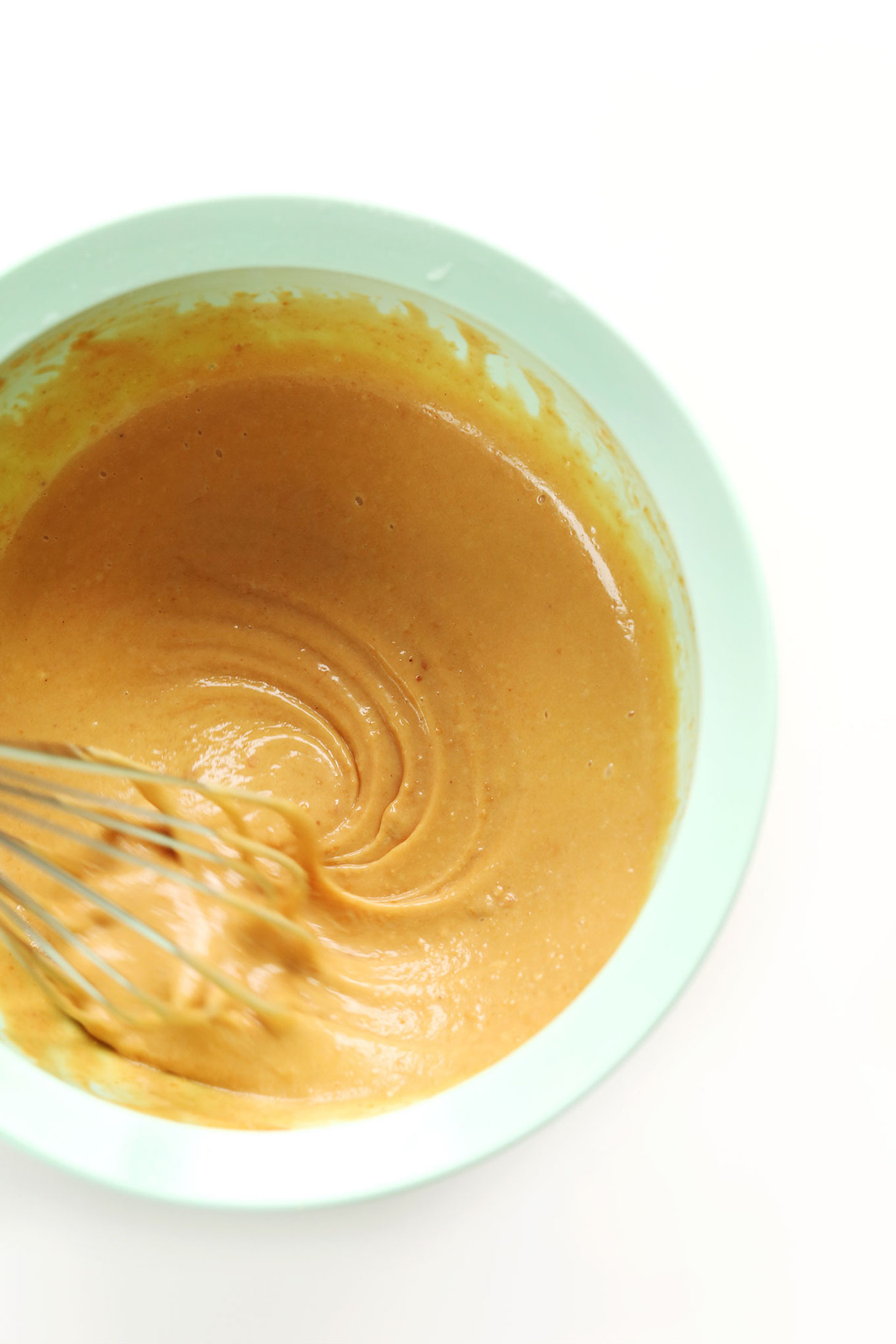
- Whisk to Combine: Vigorously whisk all the ingredients together. At this stage, the mixture will likely be quite thick and pasty.
- Gradually Thin with Water: Begin adding water, about 1 tablespoon at a time, whisking well after each addition. Continue adding water until you achieve a thick but pourable sauce. The amount of water needed can vary depending on the thickness of your peanut butter.
- Taste and Adjust: This is the most important step! Taste your sauce and fine-tune the flavors:
- For more sweetness, add a little more maple syrup.
- For more heat, add more chili garlic sauce or red pepper.
- For more acidity/tang, add extra lime juice.
- For more saltiness/umami, add a splash more tamari.
- Adjust Consistency: If your sauce becomes too thin, whisk in another tablespoon or two of peanut butter. If it's too thick, add more water, a teaspoon at a time.
For an Extra Smooth & Flavorful Sauce (Blender Method):
If you're incorporating fresh garlic and ginger, or simply prefer an ultra-smooth consistency, a blender or food processor is your best friend.
- Add All Ingredients to Blender: Combine ½ cup peanut butter, 2 tablespoons tamari, 2 tablespoons maple syrup, 1-2 teaspoons chili garlic sauce, 3 tablespoons lime juice, 1-2 cloves minced garlic, 1 teaspoon grated fresh ginger, 1 teaspoon toasted sesame oil, and ¼ cup water into your blender.
- Blend Until Smooth: Blend on high until the sauce is completely smooth and creamy.
- Adjust and Taste: As with the whisking method, taste and adjust any flavors (sweetness, heat, tang, saltiness) and consistency with more water or peanut butter as needed.
Chef's Tip: For an even deeper flavor, let your finished sauce sit in the refrigerator for at least 30 minutes before serving. This allows the flavors to meld beautifully.
Versatile Applications & Storage Tips
Once you've mastered how to make peanut sauce, you'll find countless ways to incorporate it into your meals. Its versatility is truly one of its greatest assets.
Delicious Ways to Enjoy Your Homemade Peanut Sauce:
- Dipping Sauce: The classic application! Perfect for fresh spring rolls, chicken or beef satay skewers, raw vegetable sticks (cucumbers, carrots, bell peppers), or even crispy tofu.
- Salad Dressing: Thin it out with a little extra water to create a luscious dressing for Asian-inspired salads, noodle salads, or coleslaws. It's fantastic drizzled over a simple green salad with grilled chicken.
- Noodle Sauce: Toss it with warm or cold noodles for a quick and satisfying meal. It's a fantastic base for dishes like Pad Thai, cold peanut noodles, or even a simple ramen upgrade.
- Marinade: Use it as a marinade for chicken, pork, or tofu before grilling, baking, or stir-frying. The flavors penetrate beautifully, tenderizing and flavoring your proteins.
- Sandwich/Wrap Spread: Spread a thin layer on sandwiches or wraps for an unexpected burst of flavor. It pairs wonderfully with chicken, turkey, or veggie fillings.
- Stir-Fry Booster: Whisk it into your stir-fry at the very end to coat vegetables and proteins with a rich, flavorful glaze.
Storing Your Sauce:
Your homemade peanut sauce can be stored covered in an airtight container in the refrigerator for up to 1 week. Over time, it may thicken slightly or separate. Don't worry, this is natural! Simply give it a good whisk or shake before using, and if it's too thick, thin it with a teaspoon or two of warm water until it reaches your desired consistency.
Conclusion: Your Kitchen, Your Peanut Sauce Masterpiece
Learning how to make peanut sauce is a culinary skill that offers immense rewards. It's a testament to how simple, everyday ingredients can transform into something truly extraordinary with just a little effort. From its customizable flavor profile and superior freshness to its incredible versatility, homemade peanut sauce will undoubtedly become a staple in your kitchen. So, gather your ingredients, take a few minutes, and prepare to elevate your meals with this creamy, zingy, and utterly irresistible dip and dressing. Your taste buds (and your guests) will thank you!
